Plant Nutrition for Men 40+
Understanding botanical sources and their role in midlife and mature dietary practices
General Nutritional Science for Midlife Men
Research on nutrition for men in their 40s and beyond indicates that dietary diversity and adequate micronutrient intake remain fundamental to supporting overall wellness. As the body ages, certain nutritional considerations evolve, making informed dietary choices increasingly important.
This page explores general nutritional science related to men in midlife and mature years, with an emphasis on plant-based whole foods and the importance of dietary variety. The information presented is educational and factual, designed to expand general knowledge rather than provide individual recommendations.
Key Nutritional Considerations After 40
Protein and Muscle Support
Protein remains essential for maintaining muscle mass and function. Plant-based protein sources include legumes, nuts, seeds, and whole grains. Research suggests varied protein intake supports long-term health in this age group.
Mineral Micronutrients
Zinc, magnesium, selenium, and iron play important roles in various bodily functions. Plant sources provide these minerals, though bioavailability varies. A diverse diet helps ensure adequate intake across multiple micronutrients.
Antioxidant-Rich Foods
Polyphenol-rich plants and antioxidant compounds become increasingly relevant with age. Berries, dark leafy greens, and traditional herbs provide these compounds as part of everyday nutrition.
Cardiovascular Support
Heart health remains a priority for men over 40. Plant-based whole foods, fiber-rich sources, and diverse botanical compounds support cardiovascular wellness as part of comprehensive dietary approaches.
Plant-Based Whole Foods Emphasis
The Importance of Whole Foods
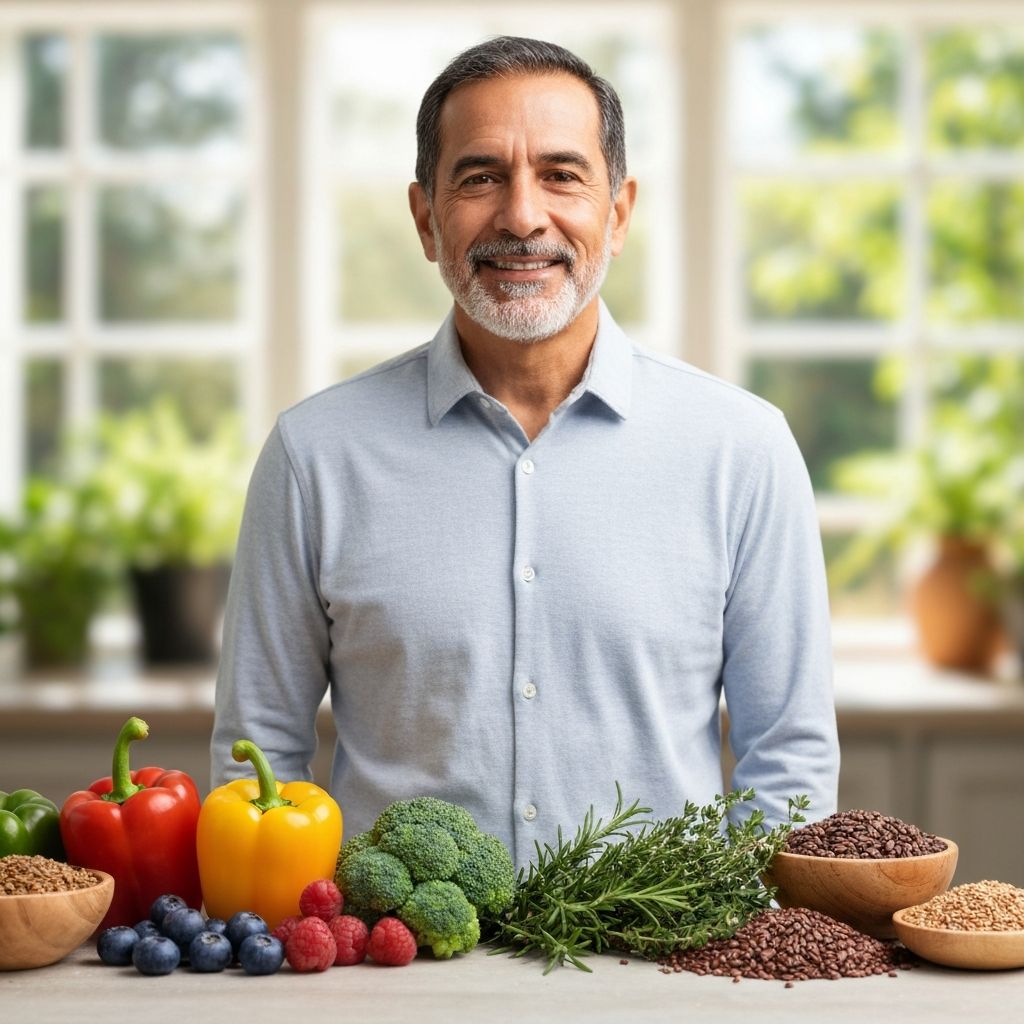
Emphasizing whole plant-based foods rather than isolated supplements represents the foundation of evidence-based nutrition. Whole foods provide complete nutrient profiles, fiber, and synergistic compounds that isolated substances cannot replicate.
For men over 40, incorporating diverse whole food sources includes:
- Legumes and pulses for protein and fiber
- Whole grains for sustained energy and nutrients
- Nuts and seeds for healthy fats and minerals
- Fresh and dried vegetables for micronutrients
- Berries and fruits for natural compounds
- Traditional herbs and roots for added diversity
Botanical Compounds and General Properties
Understanding Plant Phytochemistry
Plants contain numerous bioactive compounds that have been studied for their general properties. Understanding these compounds contributes to broader nutritional awareness and scientific knowledge about plant-based foods.
Common plant compounds include:
- Flavonoids - Found in colorful plants and berries; studied for various properties
- Tannins - Present in tea and dried fruits; contribute to plant characteristics
- Alkaloids - Natural compounds in herbs; have been studied in research contexts
- Carotenoids - Orange and yellow pigments in vegetables; important micronutrients
This knowledge helps build informed understanding of food composition without making specific health claims.
Dietary Diversity Framework
Building a Varied Plant-Based Diet
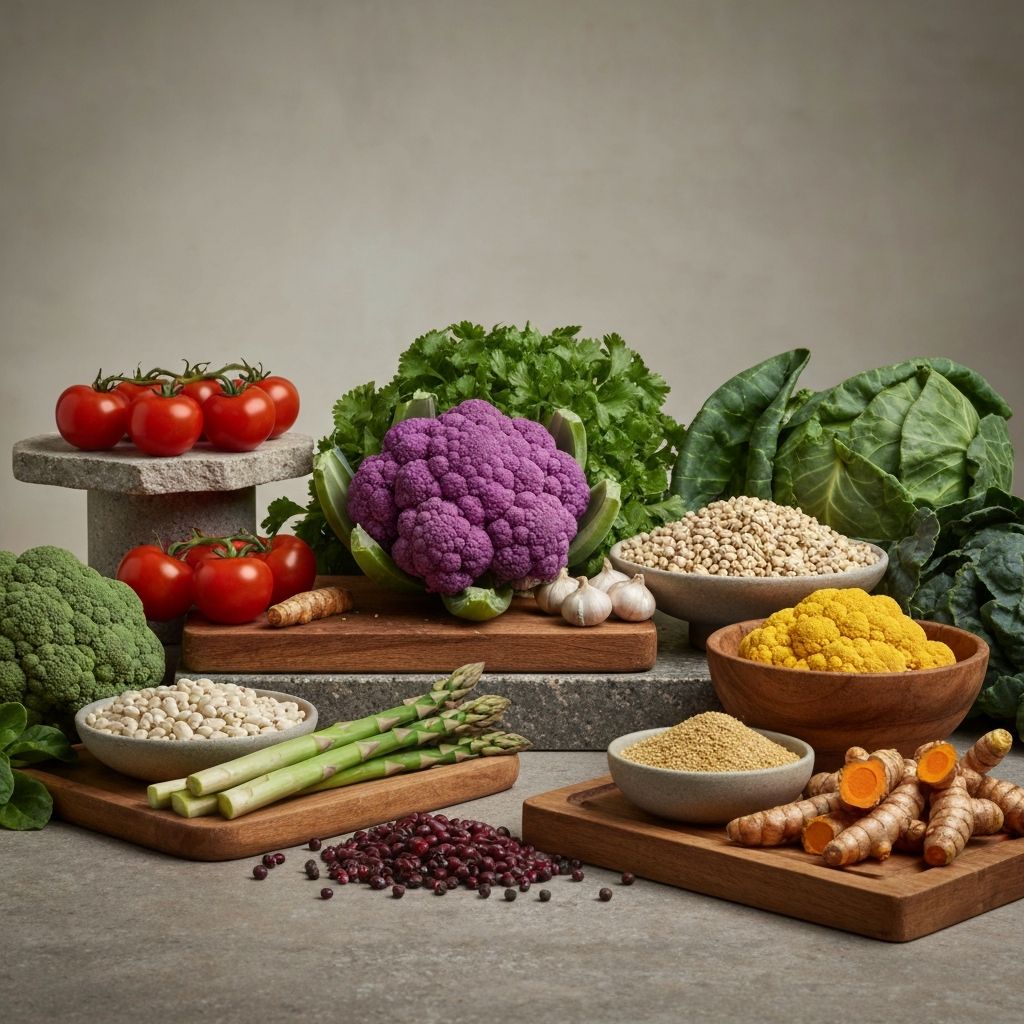
A practical framework for dietary diversity includes consuming foods from multiple plant categories throughout the week. This approach naturally supports comprehensive micronutrient intake and exposure to varied botanical compounds.
- Color diversity - Different colored plants offer different nutrient profiles; aim for variety across meals
- Seasonal rotation - Eating seasonally available plants supports local agriculture and natural nutrient cycles
- Herb and spice variety - Traditional herbs and spices add flavor while providing additional compounds
- Grain rotation - Alternating between different whole grains ensures varied nutrient intake
- Legume variety - Different beans and legumes offer distinct nutritional profiles
Traditional and Modern Plant-Based Resources
Bridging Tradition and Science
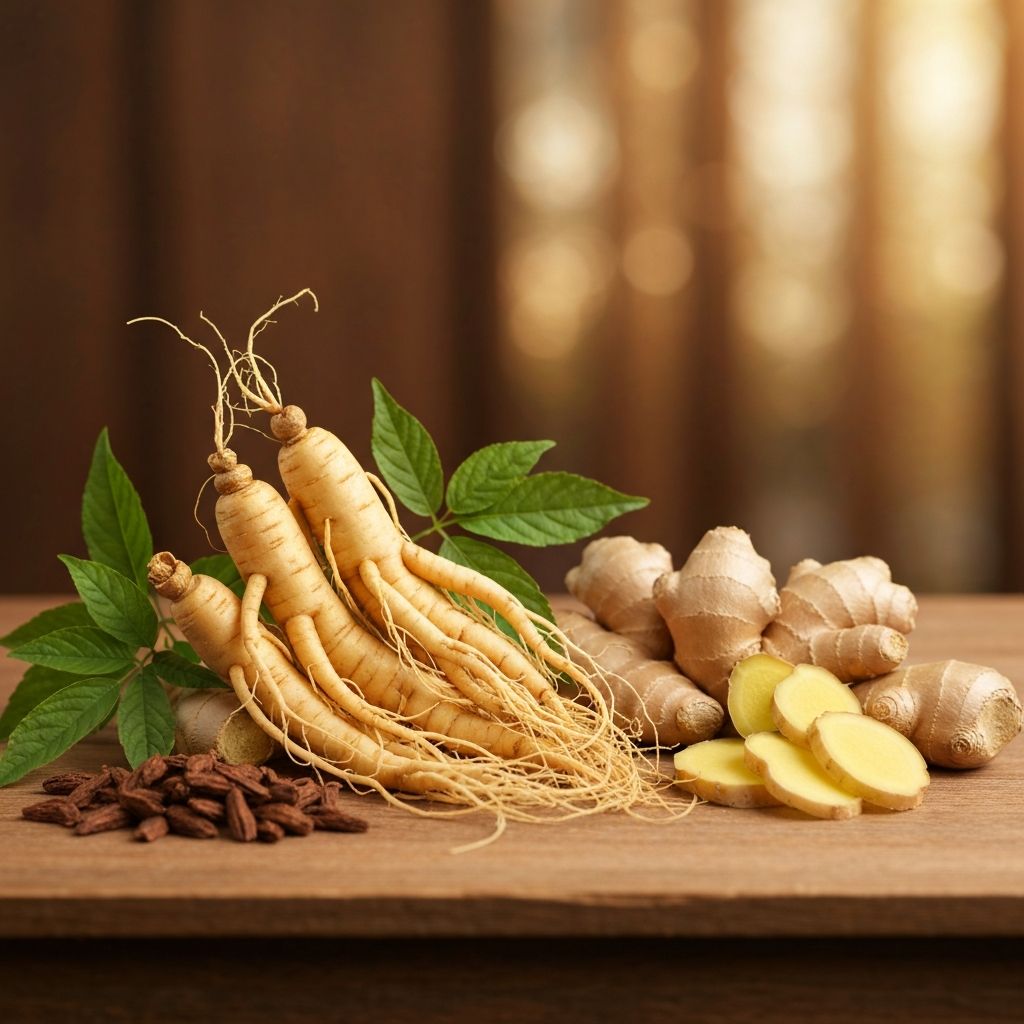
Many plants used in traditional nutrition practices across cultures have attracted modern scientific interest. Understanding both historical use and contemporary research helps frame informed dietary choices.
Well-studied traditional plants include ginger, turmeric, ginseng, and various seeds and roots. These plants have been integrated into dietary traditions for centuries and continue to be subjects of nutritional research.
This integration of traditional knowledge and modern science represents the most evidence-based approach to plant-based nutrition. It respects historical practices while maintaining scientific rigor in understanding how these foods function within balanced diets.
Practical Implementation
Applying Plant Nutrition Knowledge
Translating nutritional knowledge into practical dietary choices requires thoughtful planning and gradual implementation. Consider these approaches:
- Start by identifying favorite plant-based foods and building meals around them
- Gradually incorporate new plant sources to expand dietary diversity
- Experiment with preparation methods to optimize both nutrition and taste
- Maintain consistent intake of nutrient-dense whole foods
- Combine different plant sources to create nutritionally complete meals
Individual dietary needs remain unique. Consulting with nutritionists or healthcare providers helps ensure that personal dietary choices align with individual health status and requirements.
Age-Specific Research Insights
What Studies Tell Us
Nutritional research focused on men over 40 indicates several evidence-based patterns:
- Adequate micronutrient intake becomes increasingly important with age
- Plant-based diets rich in whole foods support cardiovascular health
- Dietary diversity better predicts nutritional adequacy than single nutrient focus
- Consistent physical activity combined with good nutrition supports bone and muscle health
- Antioxidant-rich foods remain relevant across all age groups
These insights support the educational value of learning about plant-based nutrition for men in this age group. Knowledge empowers informed dietary choices aligned with general scientific understanding.
Important Considerations
Educational Context
This page provides general educational information only. It is not personalized dietary advice or medical guidance. Individual nutritional needs vary based on health status, medications, allergies, and other personal factors. Men over 40 should:
- Consult healthcare providers for personalized nutritional guidance
- Disclose any supplements or dietary changes to doctors
- Understand that plant-based foods are food, not medicine
- Maintain balanced dietary approaches rather than relying on single foods
- Seek professional advice before making significant dietary changes
The information presented educates rather than prescribes. Your healthcare provider remains the appropriate source for guidance aligned with your specific health needs.
Explore Further
Learn more about general plant nutrition science, specific botanical compounds, or explore our FAQ for additional educational content.